Sign Up For a Webinar




Latest News

What Happens When a 529 Account Owner Dies?
New York鈥檚 529 College Savings Program accounts are investment plans that enjoy tax-deferred growth. Withdrawals are income tax-free for qualified educational purposes associated with K-12 tuition, vocational school, college, or higher education.

Question: My husband and I have been talking about getting our estate planning documents in order. We have a modest estate and three sons ages 2, 5 and 7. What questions should we be thinking about when we see an attorney for a Last Will & Testament?

Question: My mother has a trust that is supposed to protect her assets in case she needs Medicaid in the future. How do assets get into a trust, I am confused.
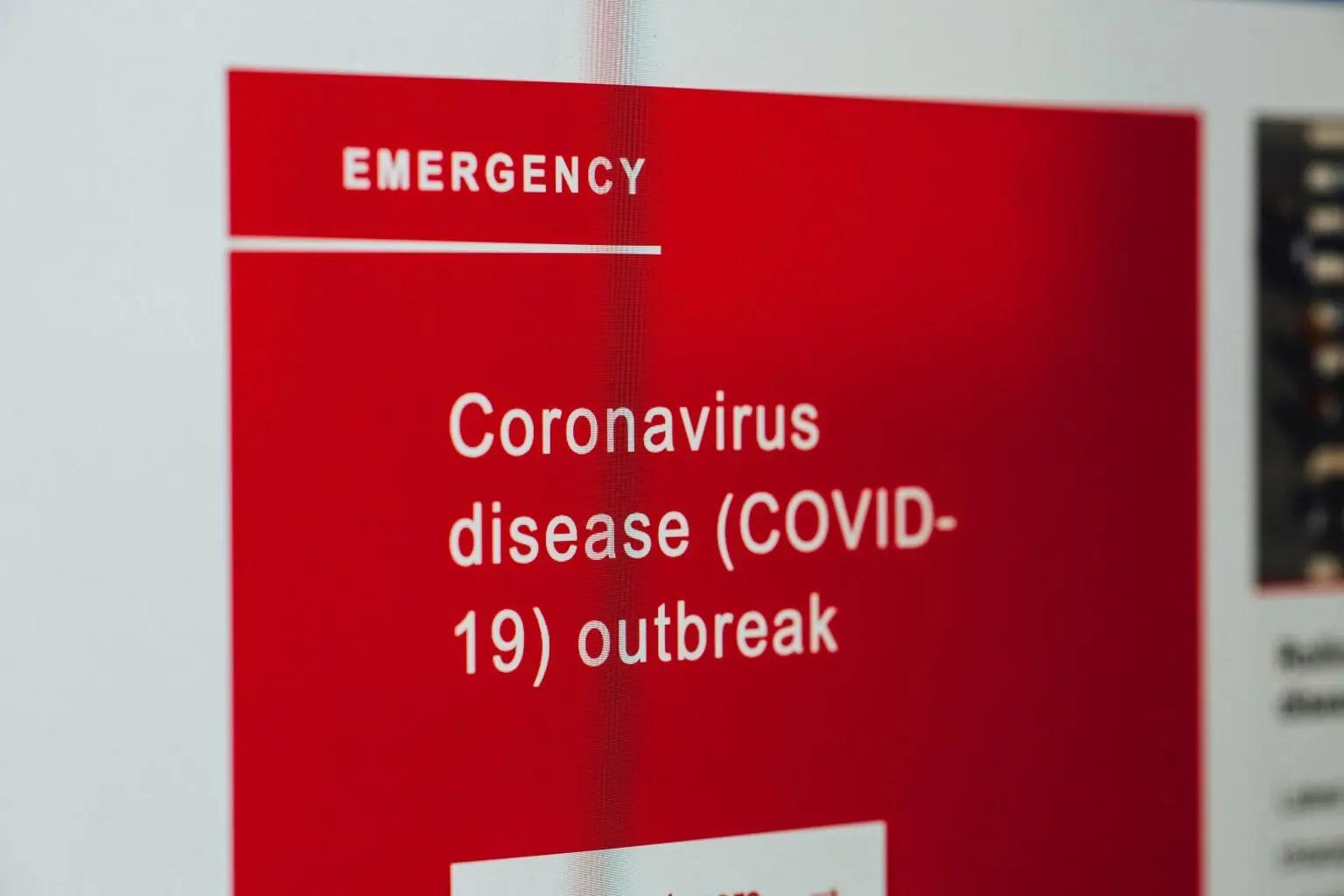
Question: Since COVID-19 started, I have been concerned that I have no estate planning documents in place. What documents should I have? What factors do I need to consider?

In New York, when a person dies with a Will owning assets in his or her sole name, the Will must be probated in Surrogate鈥檚 Court in order for the nominated executor to be officially appointed and to have legal authority to collect and distribute the decedent鈥檚 assets.

A first party supplemental needs trust, also known as a special needs trust, is established with the disabled beneficiary鈥檚 own funds, usually from a lawsuit settlement or inheritance, to avoid becoming ineligible for a needs-based government benefit.

Question: My loved one passed away and someone needs to clean out her home, who is in charge of that?

Question: When my husband died, some of his assets went into a credit-shelter trust under the terms of his Last Will and Testament. I am the beneficiary of the trust during my life and when I pass away everything will be distributed to our son outright.

Question: My husband passed away a couple of months ago. All of our assets were held jointly except for one of our cars, which was held in his sole name. The car is worth about $20,000.00. What do I need to do to transfer the car into my name? Do I need to go to Court?

For parents of minor children, under 18 years of age, there are important considerations you should be discussing with respect to your Last Will & Testament. Minor children do not have the ability to collect the funds of an estate or be their own decision-maker.

Congratulations! You graduated from high school and are (fingers crossed) heading off to college in the fall. In preparation, you are shopping for school supplies, bedding, a new wardrobe, and researching the best classes to take. What you鈥檙e likely not thinking about is ensuring you have the proper estate planning documents in place before heading off to school.
Our Blog
Partner Britt Burner, Esq. explains how often to review your estate planning documents and the life changes that may prompt a review.